
Fresh rhizomes and plant starts ship Mondays in spring and fall. Order by Friday, 6 p.m. Eastern. Shipping schedule

About Us

It started with a question.

“I wonder if we can grow wasabi in the holler?” What began as a curious experiment has grown into partnerships with landowners across Western North Carolina.

The question

Shade, cold water, and a hunch.

Real wasabi is famously hard to grow. It wants deep shade, cool air and clean, cold water moving past its roots, and few places in the world offer all three. That’s why most of the “wasabi” people know is really horseradish and food coloring.

But anyone who has spent time in the mountains of Western North Carolina knows a place that sounds a lot like that: the holler. Shaded coves, spring-fed creeks that run cold all summer, and air that stays cool long after the ridgetops have warmed.

So one day the question finally got asked out loud:

“I wonder if we can grow wasabi in the holler?”
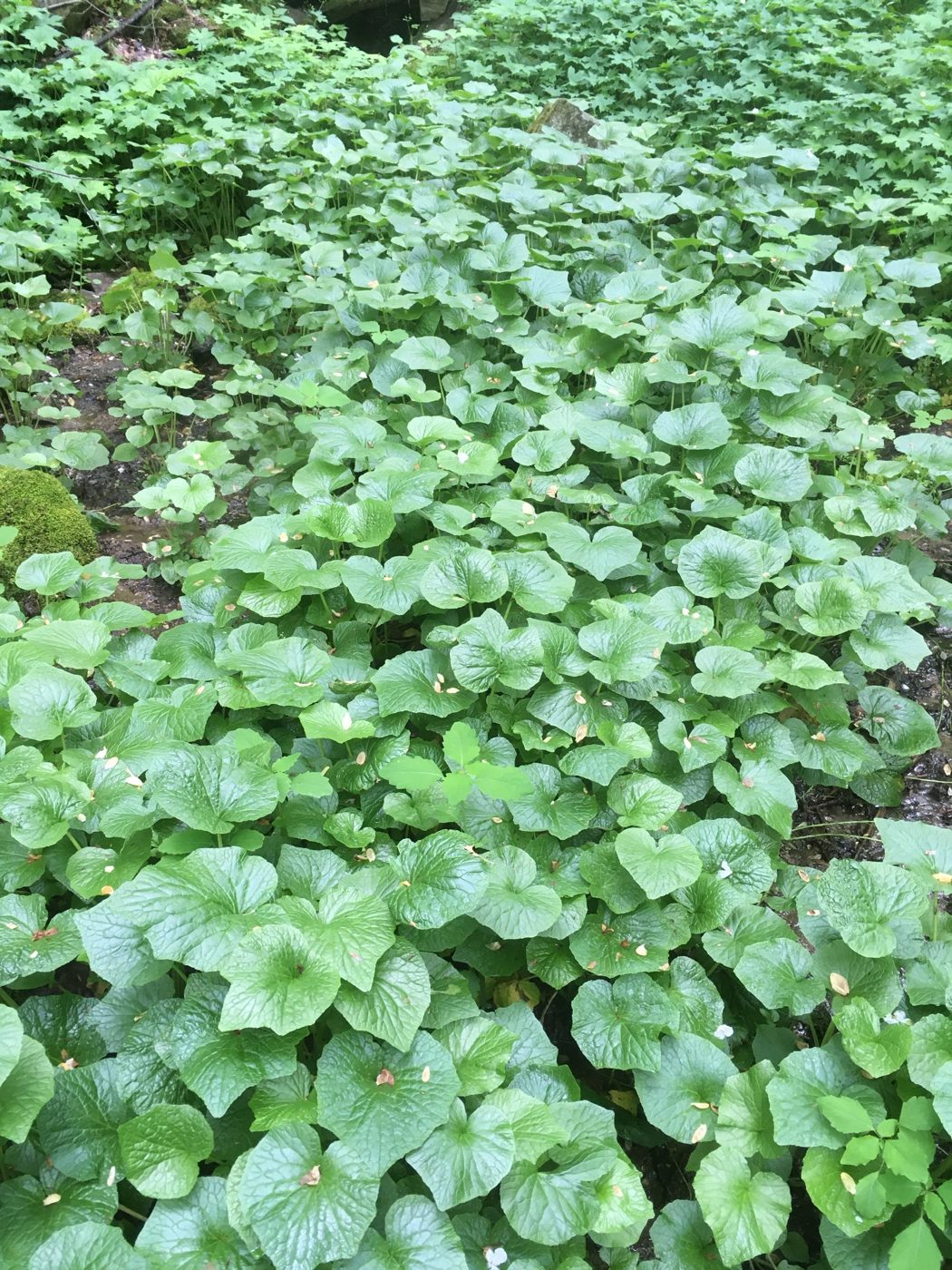
A dense carpet of heart-shaped wasabi leaves on wet, shaded ground beside a mossy rock
Our wasabi patch.

The experiment

We set out to find out.

We didn’t set out to start a farm. A few plants went into the ground beside a spring, and then we watched: how they handled a hot spell, a hard frost, a dry week, a wet one. We learned as we went and kept notes.

Season by season, the patch filled in. Then it flowered. Wasabi takes about two years to reach harvest size, so this was never going to be quick, but the plants were telling us what we hoped to hear. The holler suited them.
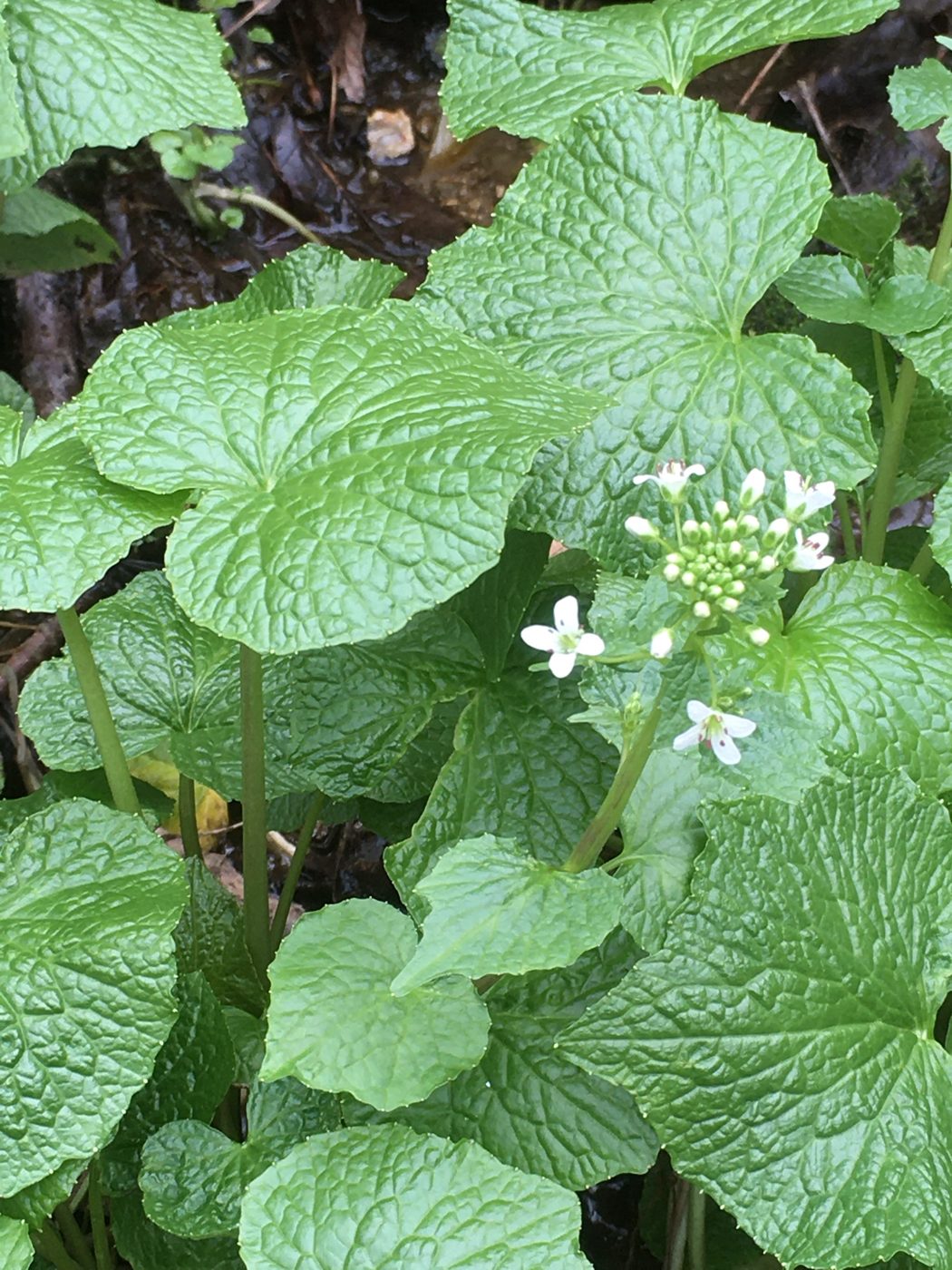
Large textured wasabi leaves with a cluster of small white wasabi flowers
Wasabi in bloom.

Growing together

From one holler to many.

Word got around. Neighbors and landowners with shaded, spring-fed land of their own started asking whether wasabi could grow there too. What began as one patch in one holler has blossomed into partnerships with multiple landowners across several Western North Carolina counties.

Every site is a little different, with its own elevation, its own spring and its own microclimate. Growing across them teaches us more about the plant every season, and it spreads our harvest across more than one patch of mountain ground.

Each partnership starts the same way ours did: with a shady spot, cold water, and a question.

What we care about

  • Real wasabi

    Eutrema japonicum, grown in the cool, wet shade it evolved for. Not horseradish and dye.

  • Patience

    About two years from planting to harvest. We don’t rush it.

  • Sharing what we learn

    Our Growing Guide and Kitchen Guide pass along what works, so more people can grow and enjoy the real thing.

Have a holler of your own?

If you own land in Western North Carolina with deep shade and a cold, clean spring or creek, we’d love to hear from you. Chefs, markets and curious neighbors are welcome too.